
House Designs QLD: Modern Australian Homes for Every Lifestyle
Queensland's unique climate and lifestyle have shaped a distinctive approach to home design that balances practicality with beauty. At Tempus Design Studio, we've seen firsthand how the right house design can transform not just a property, but the entire living experience for Queensland families.
Whether you're dreaming of a breezy Queenslander, a contemporary coastal retreat, or a practical family home that makes the most of our sunshine state's weather, understanding the range of house designs QLD has to offer is your first step toward creating your dream home.
Popular House Designs in Queensland
Queensland's residential architecture has evolved to embrace our unique climate and lifestyle, with designs that prioritise natural ventilation, indoor-outdoor flow, and protection from the elements. Let's explore the most sought-after home designs across the sunshine state.
Single Storey House Designs
Single storey homes remain incredibly popular throughout Queensland, offering practical benefits that resonate with many homeowners. These designs eliminate the need for stairs, making them ideal for families with young children, people with mobility concerns, and those planning to age in place.
The beauty of a well-designed single-level home lies in its seamless connection to the outdoors. As Brisbane Building Designer experts, we often incorporate extended eaves, covered alfresco areas, and strategic orientation to maximise natural light while minimising heat gain-crucial considerations in Queensland's subtropical climate.
Popular single storey designs in Queensland typically feature:
Open-plan living areas that flow to outdoor entertaining spaces
High ceilings (2.7m or higher) to enhance airflow and create a sense of spaciousness
Separation between living and sleeping zones for privacy and noise control
Multiple living areas to accommodate different family activities
Practical mud rooms or drop zones near entrances to manage Queensland's outdoor lifestyle
Price points for single storey homes in Queensland typically start around $250,000 for a modest design, with mid-range options between $300,000-$450,000, depending on size, specifications, and location.

Double Storey House Designs
Double storey homes have become increasingly popular in Queensland, particularly in urban areas where block sizes are shrinking. These designs make the most of limited land by building upward rather than outward, often preserving valuable outdoor space for gardens and entertaining.
Beyond maximising space, double storey homes in Queensland offer several advantages:
Capturing views of our beautiful coastlines, hinterlands, or city skylines
Creating distinct zones for parents and children or living and sleeping areas
Improving cross-ventilation through clever design that harnesses Queensland's breezes
Establishing street presence with impressive façades and architectural features
Modern double storey designs often feature parents' retreats on the upper level, with living areas and children's bedrooms strategically positioned to balance privacy and connection.
Price considerations for double storey homes typically start around $350,000, with most family homes ranging between $450,000-$650,000 depending on size and specifications.

Narrow Lot House Designs
As Queensland's urban areas continue to densify, narrow lot designs have become essential in the housing market. These clever designs make the most of blocks as narrow as 8.5 metres, without compromising on lifestyle or functionality.
Successful narrow lot designs employ several key strategies:
Vertical space utilisation through double or even three story house configurations
Open-plan layouts that create a sense of spaciousness despite limited width
Strategic window placement to maximise natural light without compromising privacy
Clever storage solutions integrated throughout the home
Indoor-outdoor connections that extend living spaces beyond the home's footprint
These designs are particularly popular in Brisbane's inner and middle-ring suburbs, where land prices are high but proximity to amenities is valued. Prices typically range from $300,000-$500,000 depending on size and specifications.
Queensland-Specific Design Considerations
Climate-Responsive Design Features
Queensland's subtropical and tropical climates demand thoughtful design approaches that work with nature rather than against it. As noted by the Queensland Government's housing guidelines, climate-responsive design can significantly reduce energy consumption while improving comfort.
Essential climate-responsive features for Queensland homes include:
Orientation that minimises western sun exposure while capturing cooling breezes
Generous eaves and shading devices to protect windows from summer sun
Elevated designs that promote airflow beneath the home (particularly in flood-prone areas)
Cross-ventilation pathways through thoughtful window and door placement
Thermal mass considerations appropriate to specific Queensland regions
Insulation strategies tailored to hot, humid conditions
These features aren't just about comfort-they're about creating homes that require less artificial cooling, reducing both environmental impact and ongoing energy costs. In Queensland's climate, a well-designed home can reduce air conditioning needs by up to 40%.

Regional Design Variations
Queensland's vast geography encompasses diverse climates and conditions, from the tropical far north to the subtropical southeast. These regional differences significantly influence optimal house designs.
Southeast Queensland designs typically feature:
Balance between summer cooling and winter warming strategies
Protection from westerly summer sun and winds
Orientation to capture cooling northeast breezes
Consideration of subtropical rainfall patterns
Far North Queensland designs prioritise:
Maximum cross-ventilation for year-round cooling
Elevated construction to capture breezes and mitigate flooding
Cyclone-resistant construction methods and materials
Deep verandahs and outdoor living spaces
Central and Western Queensland designs address:
Extreme temperature variations between day and night
Dust mitigation strategies
Water conservation and collection systems
Heat-reflective building materials and colours
Local council requirements also vary significantly across Queensland regions, with particular attention to flood mitigation, bushfire protection, and character preservation in established areas.
House Designs and Prices in Queensland
Budget-Friendly House Designs
For Queenslanders working with tighter budgets, there are still plenty of quality options available. Entry-level homes under $300,000 typically feature:
Efficient floor plans between 140-180m²
3-4 bedrooms with 1-2 bathrooms
Open-plan living areas with practical kitchens
Standard ceiling heights (2.4-2.55m)
Basic but durable finishes and fixtures
While these homes may not include all the bells and whistles, they can still incorporate smart design principles that make them comfortable and functional in Queensland's climate. Strategic compromises might include limiting the number of bathrooms, choosing more cost-effective materials, or reducing the overall footprint while maintaining good proportions in key living areas.

As Can Building Designers Do It All? explores, working with a professional who understands both design and budget constraints can help identify where to save and where to splurge for maximum impact.
Mid-Range House Designs
The sweet spot for many Queensland families falls in the $300,000-$500,000 range, where designs offer a balance of space, features, and quality. These homes typically include:
Generous floor plans between 180-250m²
4 bedrooms with 2+ bathrooms
Multiple living areas and study nooks
Higher ceilings (2.7m+) in main living areas
Quality kitchen appliances and stone benchtops
Covered outdoor entertaining areas
Enhanced energy efficiency features
At this price point, homeowners can typically afford more customisation, better finishes, and additional features that enhance liveability in Queensland's climate. Popular upgrades include extended alfresco areas, ceiling fans throughout, additional storage, and higher-quality window treatments for improved thermal performance.
Luxury Queensland Home Designs
For those with budgets exceeding $500,000, Queensland's luxury home market offers exceptional designs that maximise lifestyle and respond beautifully to our unique environment. These premium homes often feature:
Expansive floor plans (250m²+) with generous proportions
4+ bedrooms with 3+ bathrooms
Dedicated home offices, media rooms, and guest suites
Resort-style master suites with walk-in robes and luxury ensuites
Gourmet kitchens with butler's pantries
Indoor-outdoor living with seamless transitions
Swimming pools and landscaped gardens
Smart home technology integration
Premium finishes and architectural details
These homes often incorporate cutting-edge sustainability features, from solar power systems with battery storage to rainwater harvesting and greywater recycling. The focus is on creating a complete lifestyle package that takes full advantage of Queensland's climate while providing exceptional comfort and amenity.
Choosing the Right House Design for Your Queensland Block
Block Size and Orientation
Your block's characteristics play a crucial role in determining the most suitable house design. According to the Australian Government's Your Home guide, orientation is particularly important in Queensland's climate, with ideal homes positioned to minimise eastern and western sun exposure while maximising northern aspect.
Key considerations include:
Block width - Narrow blocks (under 12m) may require two-storey designs or clever single-level layouts
Block depth - Deep blocks offer opportunities for private backyards and north-facing living areas
Slope - Sloping sites may benefit from split-level designs that work with the natural topography
Orientation - North-facing backyards are ideal for Queensland living, but good designs can work with any orientation
Views - Capturing desirable views may influence window placement and floor plan layout
Access - Driveway position and street access affect garage placement and overall design
Lifestyle Considerations
Beyond the physical characteristics of your block, your family's lifestyle should heavily influence your house design choices. Consider these factors:
Family composition - Growing families need flexible spaces that evolve with changing needs
Work patterns - Home-based work may require dedicated office space with appropriate separation
Entertaining style - Frequent entertainers benefit from open-plan designs with seamless indoor-outdoor flow
Hobbies and interests - Special activities may require dedicated spaces (workshops, art studios, etc.)
Multigenerational living - Extended family arrangements benefit from designs with separate zones or self-contained areas
Queensland's indoor-outdoor lifestyle is a significant consideration, with most families prioritising covered outdoor spaces that can be used year-round. The popularity of alfresco dining areas, outdoor kitchens, and poolside lounging spaces reflects our climate and casual approach to entertaining.

Current Trends in Queensland House Designs
Sustainable and Eco-Friendly Designs
Sustainability has moved from niche interest to mainstream priority in Queensland home design. This shift reflects both environmental consciousness and practical concerns about energy costs in our climate.
Leading sustainable design trends include:
Solar integration - Not just panels, but whole-of-house systems with battery storage
Passive design principles - Working with climate to reduce mechanical cooling needs
Water-wise features - Rainwater harvesting, native landscaping, and efficient fixtures
Natural and low-VOC materials - Healthier interiors with reduced environmental impact
Energy-efficient appliances and systems - Reducing ongoing operational costs
The passive solar design approach is particularly relevant to Queensland homes, with its focus on orientation, shading, thermal mass, and natural ventilation to maintain comfort with minimal energy input.
Modern Queensland Aesthetics
Queensland's architectural aesthetic has evolved significantly, blending traditional elements with contemporary influences. Current trends include:
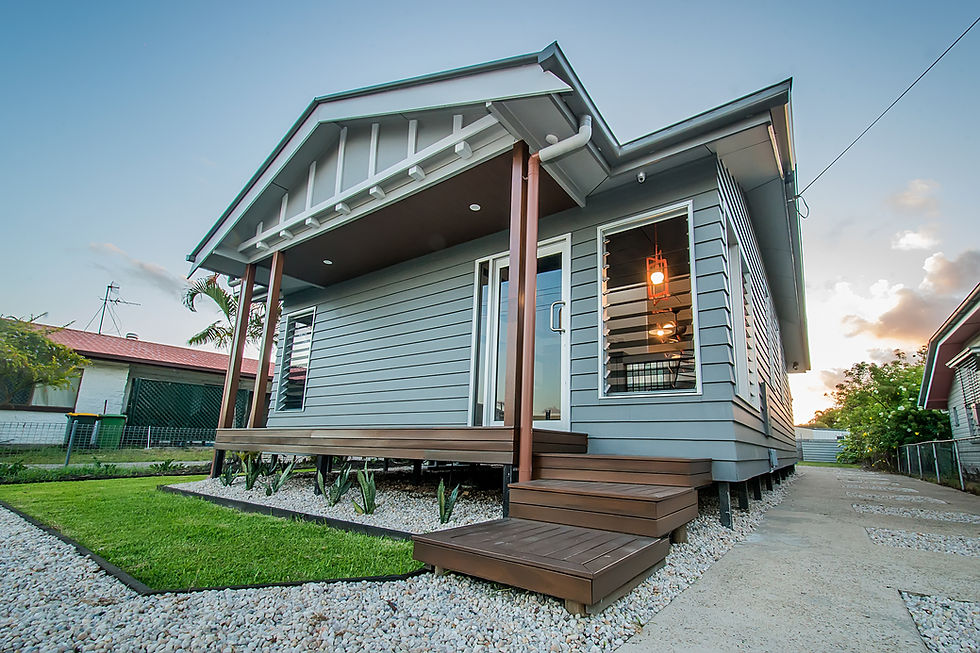
Modern Queenslander interpretations - Elevated designs with deep verandahs and contemporary materials
Coastal contemporary - Relaxed, light-filled designs with natural materials and indoor-outdoor flow
Urban industrial - Particularly popular in Brisbane's inner suburbs, featuring exposed materials and clean lines
Hamptons-Queensland hybrid - Combining the Hamptons' elegant aesthetic with Queensland's practical climate considerations
Exterior finishes are trending toward mixed material palettes that add visual interest while serving practical purposes. Popular combinations include rendered masonry, timber or timber-look cladding, and strategic use of stone or brick features.
Colour schemes typically reflect Queensland's natural environment, with whites and off-whites dominating for their heat-reflective properties, accented with natural timber tones and occasional bold colour statements.
The Process of Building a New Home in Queensland
From Design Selection to Construction
Understanding the home building journey helps set realistic expectations and ensures smoother progress. The typical process includes:
Initial consultation and brief development - Clarifying your needs, preferences, and budget
Preliminary design and concept development - Translating your brief into initial design concepts
Design refinement - Incorporating feedback and finalising floor plans and elevations
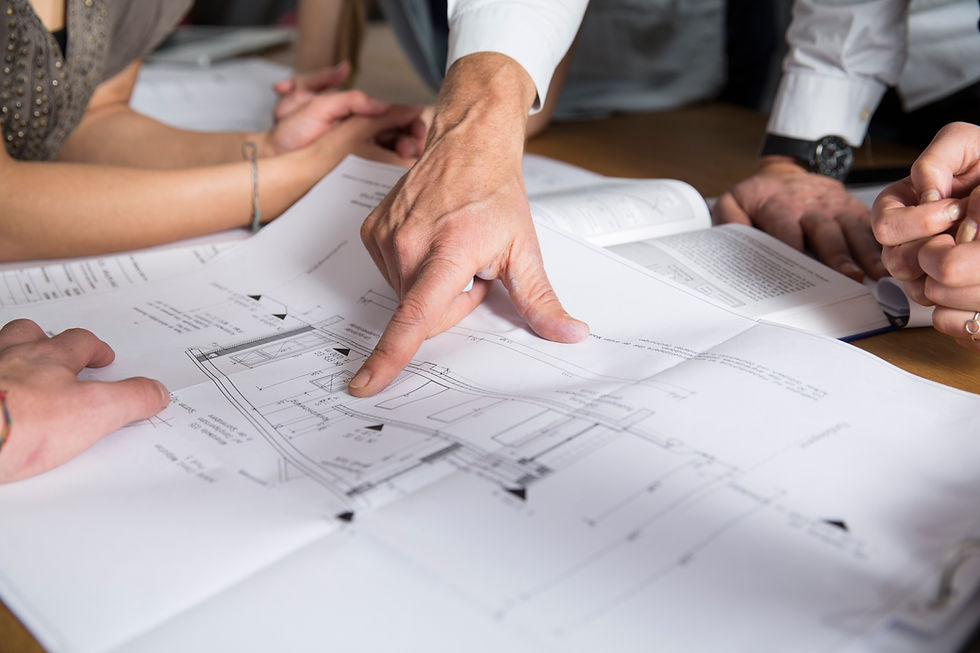
Documentation and engineering - Preparing detailed construction drawings and specifications
Council approval - Navigating local planning requirements and building regulations
Builder selection and contracting - Obtaining quotes and finalising building contracts
Construction - The building phase, typically taking 6-12 months depending on complexity
Handover and settlement - Final inspections, defect resolution, and moving in
In Queensland, weather can significantly impact construction timelines, particularly during the summer wet season. Allowing for potential weather delays in your planning can help manage expectations.
Display Homes in Queensland
Visiting display homes remains one of the most valuable research activities when planning a new home. Queensland's display villages showcase a range of designs specifically tailored to our climate and lifestyle.
When visiting display homes, consider:
How the design responds to Queensland's climate - Look for orientation, ventilation, and shading features
The flow and functionality of spaces - Imagine your family living in and using each area
Standard inclusions versus upgrades - Understand what's included in the base price versus what's been added
Construction quality and detailing - Inspect finishes, joins, and overall build quality
Energy efficiency features - Ask about insulation, glazing, and other performance elements
Take photos and notes during your visits, and don't hesitate to ask sales consultants detailed questions about designs that interest you. Most display homes have information packs available with floor plans and specifications that you can take home for further consideration.
Conclusion
Queensland's house designs reflect our unique climate, lifestyle, and architectural heritage. From traditional Queenslanders to contemporary masterpieces, the best designs respond thoughtfully to our environment while creating spaces that enhance how we live.
Whether you're drawn to single-storey simplicity, double-storey grandeur, or space-efficient narrow lot solutions, the key is finding a design that balances your practical needs, aesthetic preferences, and budget constraints.

By understanding the range of options available and considering how different designs might work with your specific site and lifestyle, you'll be well-equipped to make informed decisions about your Queensland home. And remember, the most successful homes aren't just beautiful-they're functional, comfortable, and perfectly suited to the people who live in them.
Frequently Asked Questions
How much does it cost to build a house in Queensland?
Building costs in Queensland typically range from $1,500 to $3,000+ per square metre, depending on location, design complexity, site conditions, and finishes. Entry-level homes start around $250,000, mid-range family homes range from $300,000-$500,000, and luxury custom homes can exceed $500,000.
What are the most popular house designs in QLD?
Open-plan single-storey designs remain most popular, particularly for families and downsizers. Double-storey homes are increasingly sought-after in urban areas with smaller blocks. Modern interpretations of the traditional Queenslander continue to appeal for their climate-responsive features and aesthetic charm.
How long does it take to build a new home in Queensland?
The complete process from initial design to move-in typically takes 12-18 months. The design and approval phase usually requires 3-6 months, while construction takes 6-12 months depending on home size, complexity, and weather conditions.
Can I customize a standard house design?
Yes, most builders and designers offer customization options for their standard plans. Minor modifications like moving internal walls or changing room dimensions are usually straightforward, while more significant changes may require additional design work and associated fees.
What are the energy efficiency requirements for new homes in QLD?
New homes in Queensland must achieve a minimum 6-star NatHERS energy rating. This rating assesses the building's thermal performance based on orientation, insulation, glazing, shading, and other factors that influence heating and cooling requirements.
How do I choose the right builder for my Queensland home?
Research builders with experience in your desired style and price range. Check their QBCC license, view completed projects, speak with past clients, and visit display homes. Ensure they understand Queensland's climate and building requirements, and that their communication style works for you.


Comments